
- 28th July 2026
- Back to All News


On 22 July, we celebrated the successes of the London Trailblazer Programmes in partnership with the Mayor of London and the capital’s other sub-regional partnerships. The event showcased achievements, highlighted findings from the pan-London evaluation of the Economic Inactivity and Youth Trailblazers programmes, and demonstrated how the initiative is helping to create more joined-up employment, health and skills support.
Delivered as part of the Government’s ‘Get Britain Working’ agenda, Local London received £14 million from the Mayor of London to deliver Trailblazers for two years. The programme is intended to help thousands of people in the sub-region to move into good, sustainable work or start and sustain their own business.
Independent research by Always Possible published today, evaluates the first year of delivery across Local London and highlights the value of the Economic Inactivity Trailblazers’ flexible funding and delivery model.
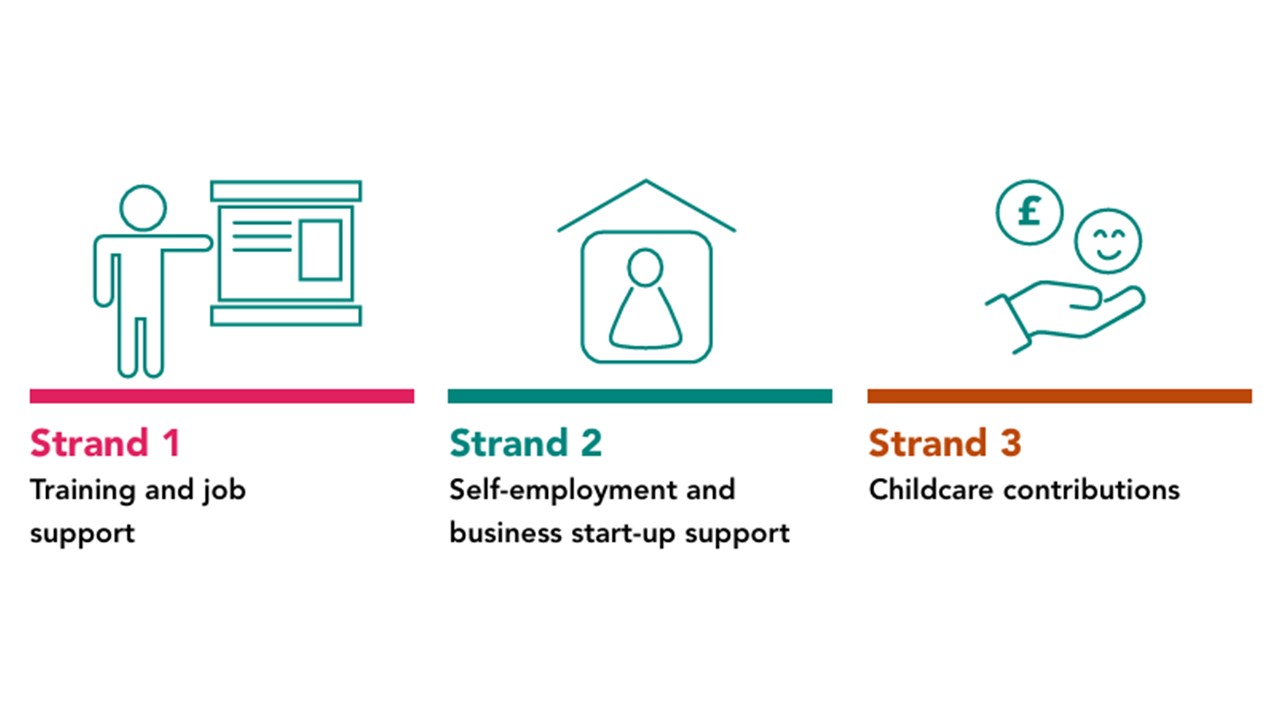
The evidence shows that the less prescriptive model, along with person-centred, relationship-based support helped economically inactive residents to progress. The report cites success factors including tailored wrap-around support adaptable delivery around participants' lives, and ongoing in-work support after participants entered employment, all building confidence, motivation and resilience that help people move towards employment and self-employment.
In its first year, within the Local London sub-region, the programme surpassed expectations with 1,441 residents engaging with the programme, 724 completing training or upskilling, and 297 securing employment and 34 people successfully launching their own businesses.
While employment numbers and business start-ups are expected to continue increasing in year two, already over 50% people reported feeling motivated to look for work and over 70% said they had learned new skills (such as talking to people, confidence, teamwork, problem solving) taking them closer to the job market.
Beyond statistics, the evaluation showcases examples of good practice and innovation from across the sub-region, for example:
The programme has also fostered cross-sector collaboration with borough employment and skills teams, employers, health partners, training providers and community organisations. With examples of successful relationships with local charities supporting people with autism in Barking and Dagenham, and Bexley's work with Family Hubs and community organisations to reach fathers through their partnership with the Proper Blokes Club and other under-represented groups.
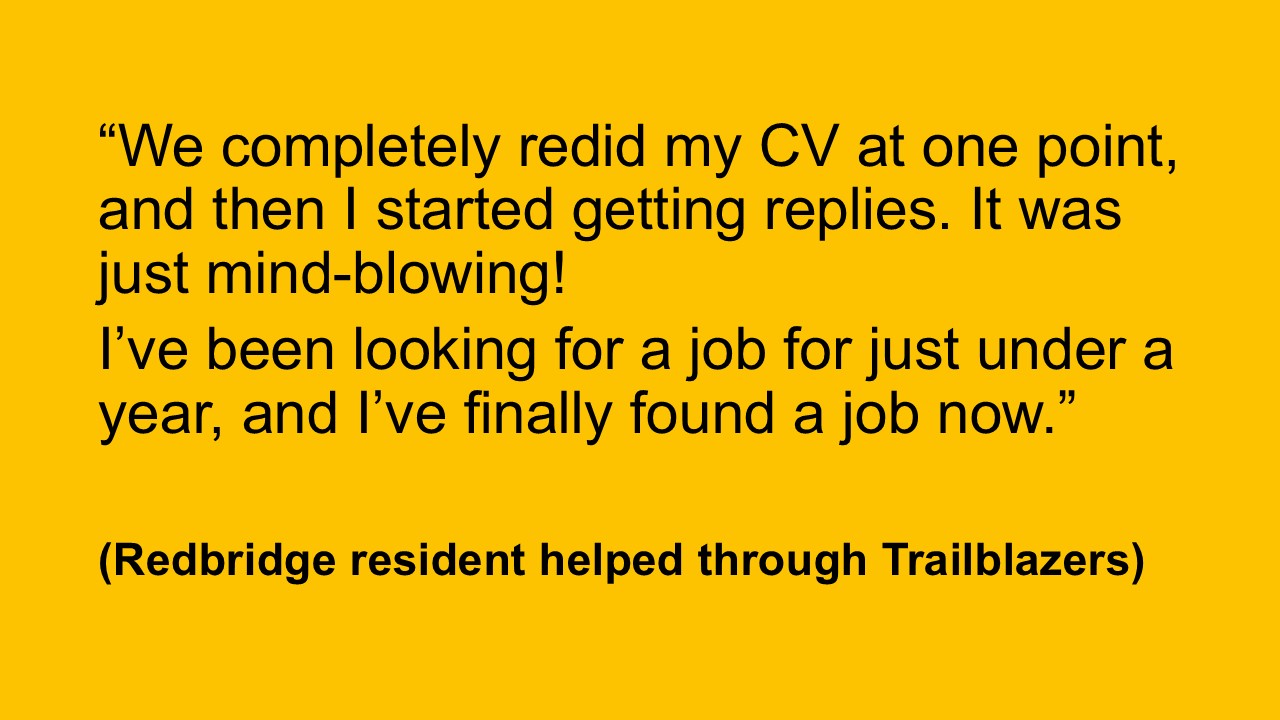
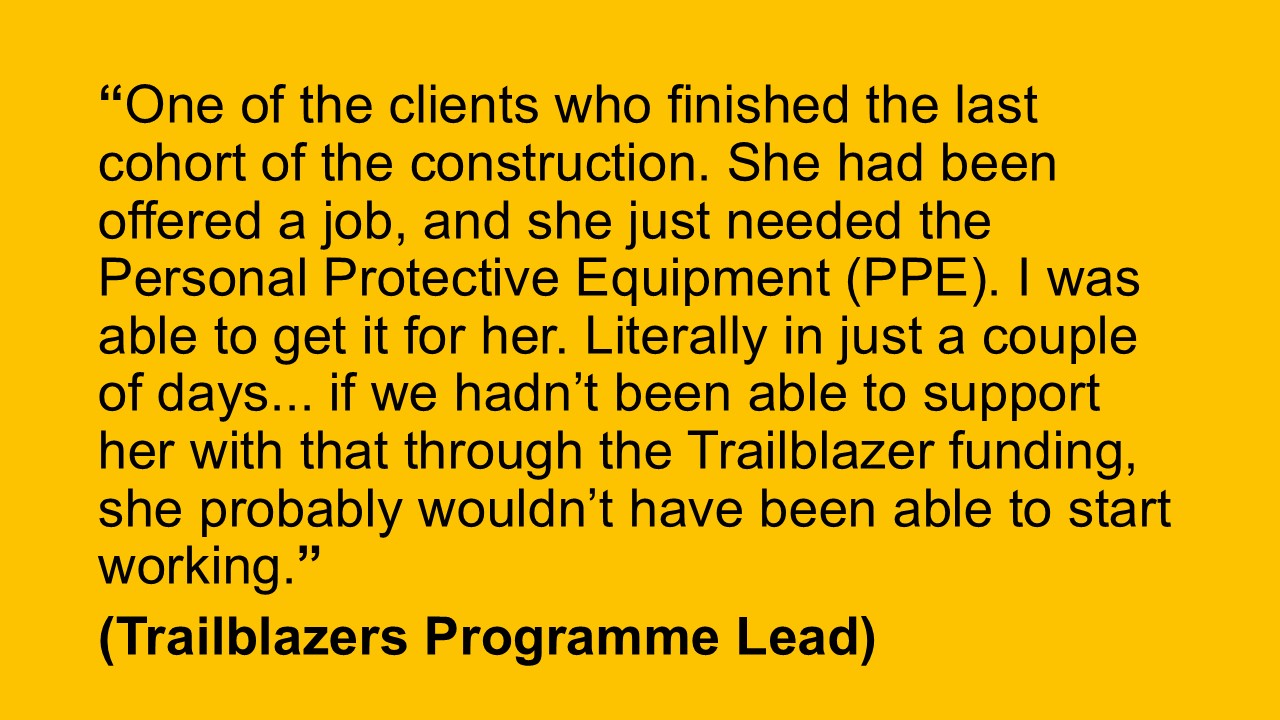
As well as achievements, Always Possible’s research indicates that the main challenges relate to short timeframes to mobilise the programme, administrative complexity and strict eligibility criteria, rather than participant engagement or programme design, suggesting that the Trailblazer approach is working, but would benefit from longer planning and delivery periods.
Cllr Kam Rai, Chair of Local London, Leader of Redbridge, and Executive Member for Growth at London Councils, said:
“We are pleased to publish the first-year evaluation of the Local London Economic Inactivity Trailblazer programme. The report demonstrates the power of locally designed, person centred support in helping residents facing complex barriers move closer to employment, self-employment and economic participation. The findings show that when services are built around people's lives, backed by flexible funding and strong partnerships, meaningful and lasting change is possible.
In its first year, the programme supported over 1,400 residents through employment and skills provision, helped hundreds progress towards work, and generated evidence of significant improvements in confidence, motivation, wellbeing and job readiness among participants furthest from the labour market. We need funding certainty for the Trailblazers.”
Local London is seeking to secure long-term funding for all the sub-region’s Trailblazers in order to help more economically inactive people, and support youth employment as well as young people at risk of becoming NEET (not in employment, education or training).
Hear from our boroughs' delivery teams and partners about how Trailblazers is helping local residents find and sustain work or start their own businesses.